
As an expert studying tornadoes for decades, I can attest that understanding their formation is fascinating. Tornadoes develop from severe thunderstorms, especially supercells, where warm, moist air collides with cold, dry air. This combination generates strong rotation, called a mesocyclone, which can intensify into a tornado. Observing this in nature reveals the precise conditions required for such violent phenomena to emerge.
Extreme Wind Speeds
One aspect that always amazes me is the incredible speed of tornado winds. Some tornadoes reach over 300 miles per hour, making them among the most violent forces in the atmosphere. From my perspective, these speeds explain why tornadoes can destroy buildings and uproot massive trees almost instantly.
Geographical Hotspots
Tornadoes are most common in certain areas of the world. In the United States, Tornado Alley—which includes Texas, Oklahoma, Kansas, and Nebraska—experiences the highest frequency. I find it remarkable that geography, atmospheric patterns, and seasonal shifts converge to make this region particularly prone to tornadoes. Other countries see tornadoes, but their frequency and intensity differ significantly.
The Enhanced Fujita Scale
We classify tornadoes using the Enhanced Fujita (EF) Scale, ranging from EF0 to EF5 based on observed damage. I rely on this scale to assess the potential destruction and understand the forces involved. This system helps meteorologists communicate risks effectively and guides communities in preparing for storms.
Unusual Tornado Phenomena
Some tornadoes display uncommon behaviors, like forming multiple vortices or developing over water as waterspouts. For anyone curious about the rarer aspects of these storms, Learn more interesting facts about Tornadoes
reveal additional surprising examples. I am always fascinated by how variable tornadoes can be, even within the same weather system.
Seasonal Patterns
Tornadoes usually occur in spring and early summer in the Northern Hemisphere. I observe that peak activity coincides with rapid changes in temperature and humidity. Understanding these patterns is vital for forecasting and implementing timely warnings to reduce damage and loss of life.
Survival Strategies
As someone who studies storm safety, I emphasize that survival depends on preparation. Underground shelters, reinforced basements, and alert systems drastically improve safety outcomes. Communities in tornado-prone areas regularly practice drills, which highlights how knowledge and preparation save lives.
Technological Advances in Tornado Tracking
Modern meteorology uses Doppler radar, satellites, and storm-chasing teams to study tornadoes. I find these tools invaluable for understanding tornado dynamics and predicting their paths. Technological advances allow us to issue faster warnings, which has significantly reduced fatalities over recent decades.
Economic and Community Impact
Tornadoes can cause immense damage to homes, infrastructure, and farmland. I’ve seen communities rebuild after devastating storms, and the long-term economic consequences are often profound. This underscores the need for resilient building codes, emergency planning, and public education to mitigate these impacts.
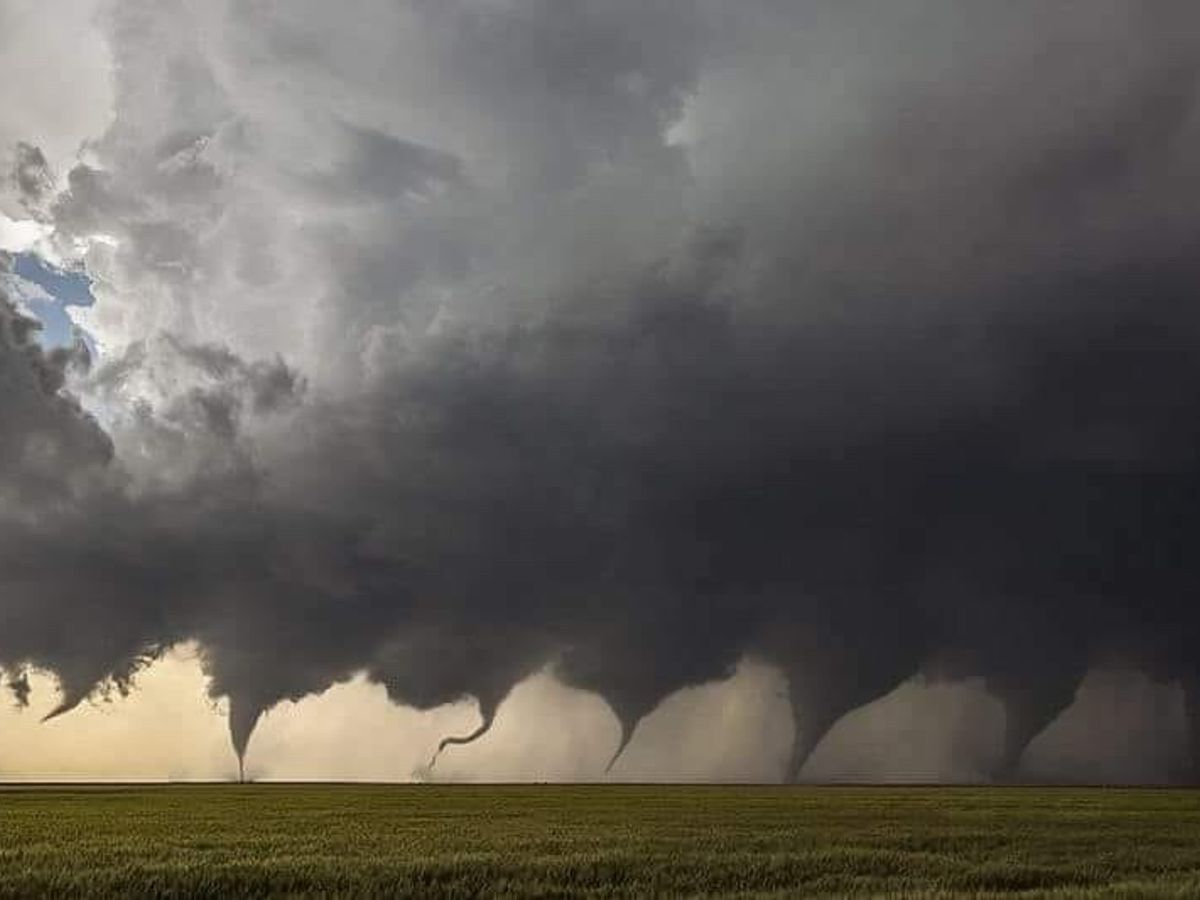
Historical Tornado Events
Certain tornadoes have become infamous due to their scale and destruction. The Tri-State Tornado of 1925 and EF5 storms in recent decades illustrate the sheer power and unpredictability of these events. Studying these historical examples provides lessons in preparedness and hazard awareness for both scientists and the public.
Summary Table of Tornado Facts
Here’s a concise overview of the most important aspects of tornadoes:
| Fact | Description | Impact |
|---|---|---|
| Formation | Occurs in supercells from the collision of warm and cold air | Essential for predicting tornado occurrence |
| Wind Speeds | Can exceed 300 mph in extreme cases | Explains destructive power |
| Geographical Hotspots | Tornado Alley in the U.S. | Guides regional preparedness |
| Classification | Enhanced Fujita Scale EF0–EF5 | Assesses potential damage |
| Unusual Phenomena | Multiple vortices, waterspouts | Shows variability in tornado behavior |
| Seasonal Patterns | Most active in spring and early summer | Helps forecast peak periods |
| Survival Strategies | Basements, shelters, drills | Reduces fatalities |
| Technology | Doppler radar, satellites, storm chasers | Improves tracking and warnings |
| Community Impact | Destroys homes, infrastructure, and crops | Highlights importance of resilience |
| Historical Events | Tri-State Tornado, EF5 storms | Provides lessons for preparedness |